
Key facts
This year’s U.N. climate talks in Turkey failed to deliver consensus on how the world should confront climate change, even as it triggers more natural disasters that hit hardest in vulnerable countries that didn’t cause the problem.1
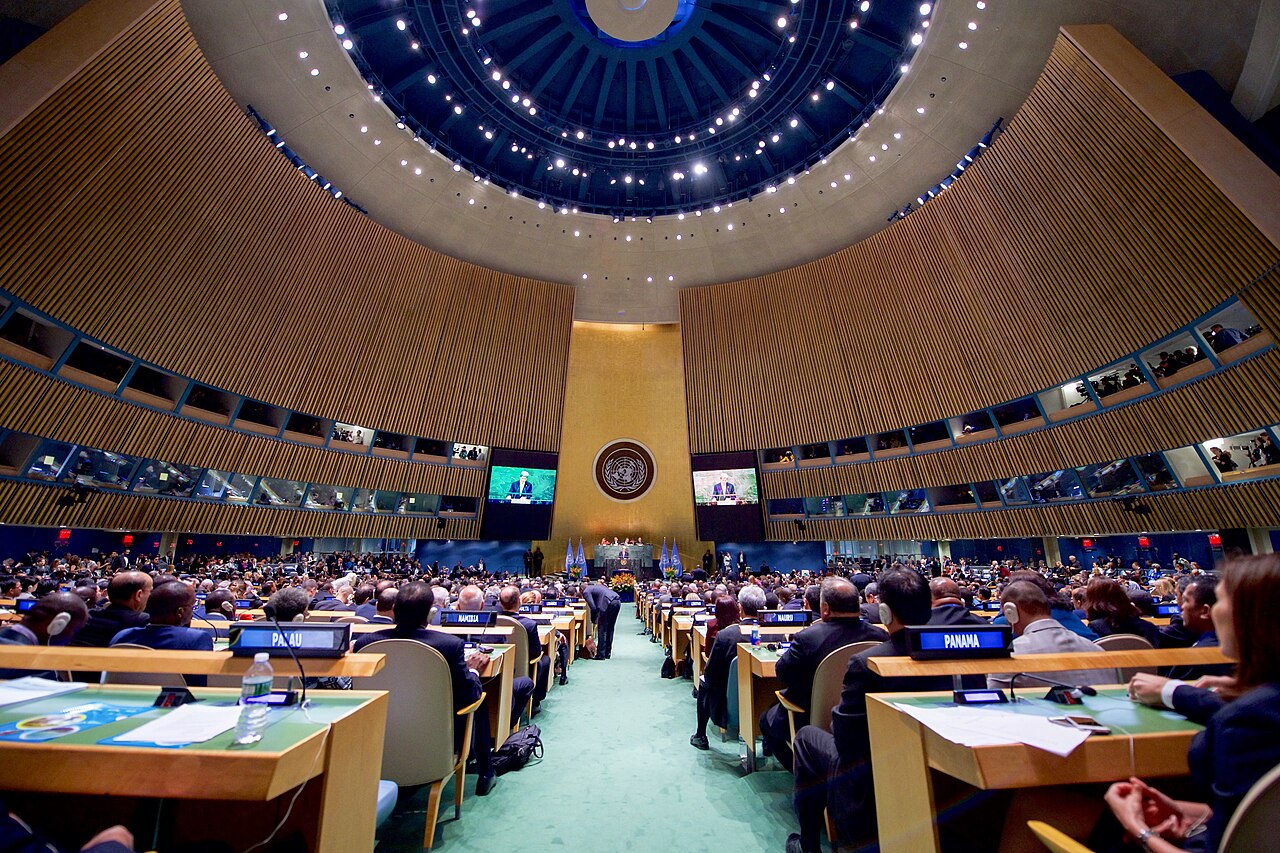
The talks were held at the summit called COP31.1 2
Dozens of nations on Sunday objected to the final text — meant to guide climate actions — presented at the summit, called COP31, because it didn’t mention fossil fuels, primarily the use of coal, oil and gas that drives climate change.1
The final text didn’t include increased financial commitments to help hard-hit nations adapt to a warmer world.1
That leaves a lot of questions about what happens next , and what it means for ordinary, everyday people , as scientists warn that the world is on track to exceed goals to limit warming, set in the 2015 Paris Agreement.1
Climate Action Moves Forward Outside the U.N.
Even though there wasn’t a final agreement at COP31, climate action is still moving forward, as nations, states, provinces, Indigenous groups and even local officials take action on their own.1
That includes a new voluntary initiative on transitioning away from fossil fuels that falls outside of the United Nations' purview.1
Almost 60 countries participated in the first International Conference on Transitioning Away from Fossil Fuels in Colombia this year, and the second is scheduled for next year in the island nation of Tuvalu.1
Rather than being held back, countries “are building new networks to work together,” said climate scientist Katharine Hayhoe from The Nature Conservancy.1
She said most climate action takes place below the national level, including in the United States, which did not participate directly in the U.N. climate talks for the second year in a row.1
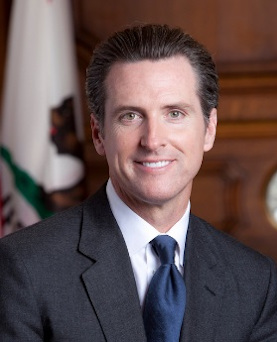
Although President Donald Trump pulled the U.S. out of the Paris Agreement, a delegation from the U.S. that included California Gov. Gavin Newsom attended the summit to pledge climate action.1
Climate-Related Disasters Fail to Move Developed Countries
A summer heat wave in Europe killed more than 50,000 people, with nearly two-thirds of the deaths blamed on human-caused climate change.1
Wildfires raged across the globe, including in Canada, with the smoke making air quality in several U.S. cities among the worst in the world and prompting warnings that everyone’s health was at risk.1
Still, those and many other climate-related disasters failed to move developed countries to more forcefully confront the underlying problem of fossil fuels at COP31.1
Nor did stark warnings about where the Earth is headed, as heat records fall daily, monthly and annually.1
A report released during the summit by the independent nonprofit Climate Action Tracker found that progress in slowing global warming has essentially stalled for the past five years, meaning the world is almost certain to overshoot the goal set in the 2015 Paris Agreement of limiting warming to 1.5 degrees Celsius (2.7 degrees Fahrenheit) above pre-industrial temperatures.1
The Climate Action Tracker report said countries have established plans to reduce fossil fuel emissions.1
Even if countries fulfill all their promises, the globe will end the century 2.6 degrees Celsius (4.7 degrees Fahrenheit) warmer than pre-industrial times.1
Experts warn that the world must urgently and drastically reduce emissions to avert the worst effects of climate change.1