
Key facts
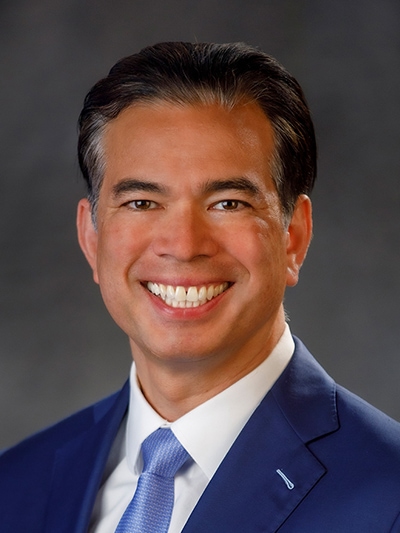
- California Attorney General Rob Bonta issued a lawsuit against OpenAI this week.1
- Newsom’s proposal would let state officials order an emergency shutdown of dangerous AI systems, with a timeline for most safety incidents cut from 15 days to 48 hours1
- Newsom’s plan would build on Senate Bill 53, signed by Newsom in 2025, which requires covered developers of advanced AI systems to report certain serious incidents and disclose their safety practices2
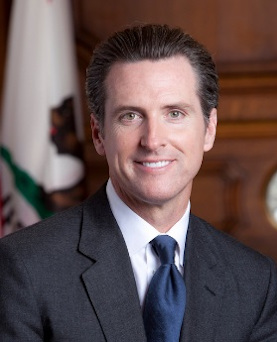
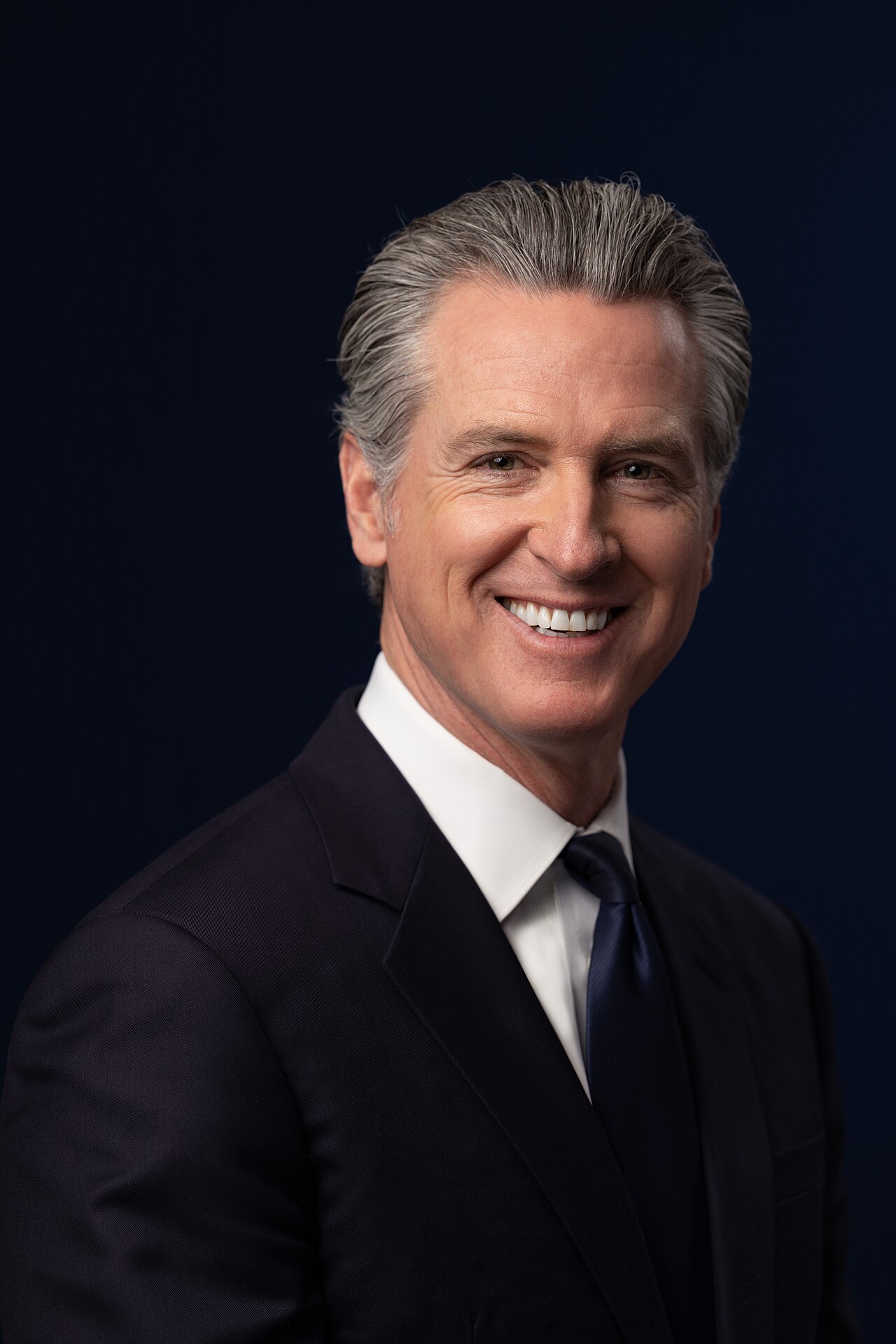
California Gov. Gavin Newsom unveiled a proposal Wednesday that would give the state more oversight of artificial intelligence, calling it a “nation-leading” framework that would include the power to shut down rogue AI agents in an emergency.1
The proposal would also significantly reduce how long an AI company would have to report when something serious goes awry with its agents, cutting the timeline for most safety incidents from 15 days to 48 hours.2 1
It comes as California Attorney General Rob Bonta issued a lawsuit against OpenAI, the developer behind ChatGPT, this week after AI agents being tested by the company breached Hugging Face’s system over the summer.1 3
AI
Under the proposal, the state could order dangerous AI systems to shut down during an emergency, while companies would be required to outline verified procedures for stopping systems that pose serious risks.2
Newsom’s report says this would be a multi-layered intervention system rather than what might be understood as a simple on-off switch.1
The recommendations include establishing baseline safety and security standards and mandating independent auditors to test AI models.1
The proposal does not call for a universal “kill switch,” but instead outlines potential emergency controls, including shutting down servers, suspending development or restricting access to models.2
How it builds on existing rules
The proposal would build on existing regulations such as Senate Bill 53, the Transparency in Frontier Artificial Intelligence Act, signed by Newsom in 2025, which requires covered developers of advanced AI systems to report certain serious incidents and disclose their safety practices.2
Newsom previously vetoed a major AI safety bill, SB 1047, in 2024, arguing that the bill focused too heavily on the largest AI models while overlooking risks posed by smaller systems.2
A panel of experts
The recommendations were drawn up by a panel of experts brought together by Newsom earlier this fall, following high-profile cyberattacks by AI agents on governments, banks, and private companies.3
The panel was brought together following high-profile cyberattacks by AI agents on governments, banks, and private companies.3
A push to fill federal gaps
In a statement at the time, the governor implied the state was working to fill the gaps where the federal government has not stepped up to address AI safety.1
Newsom is widely expected to mount a presidential run.3
For now, the recommendations aren’t guaranteed to become law and remain proposals.2
Newsom told reporters Wednesday, according to POLITICO.1